Vanished detail, brought back.
Archival photographs and archaeological mosaics restored, completed, and reconstructed — drag each slider to compare the original against the AI-assisted result.
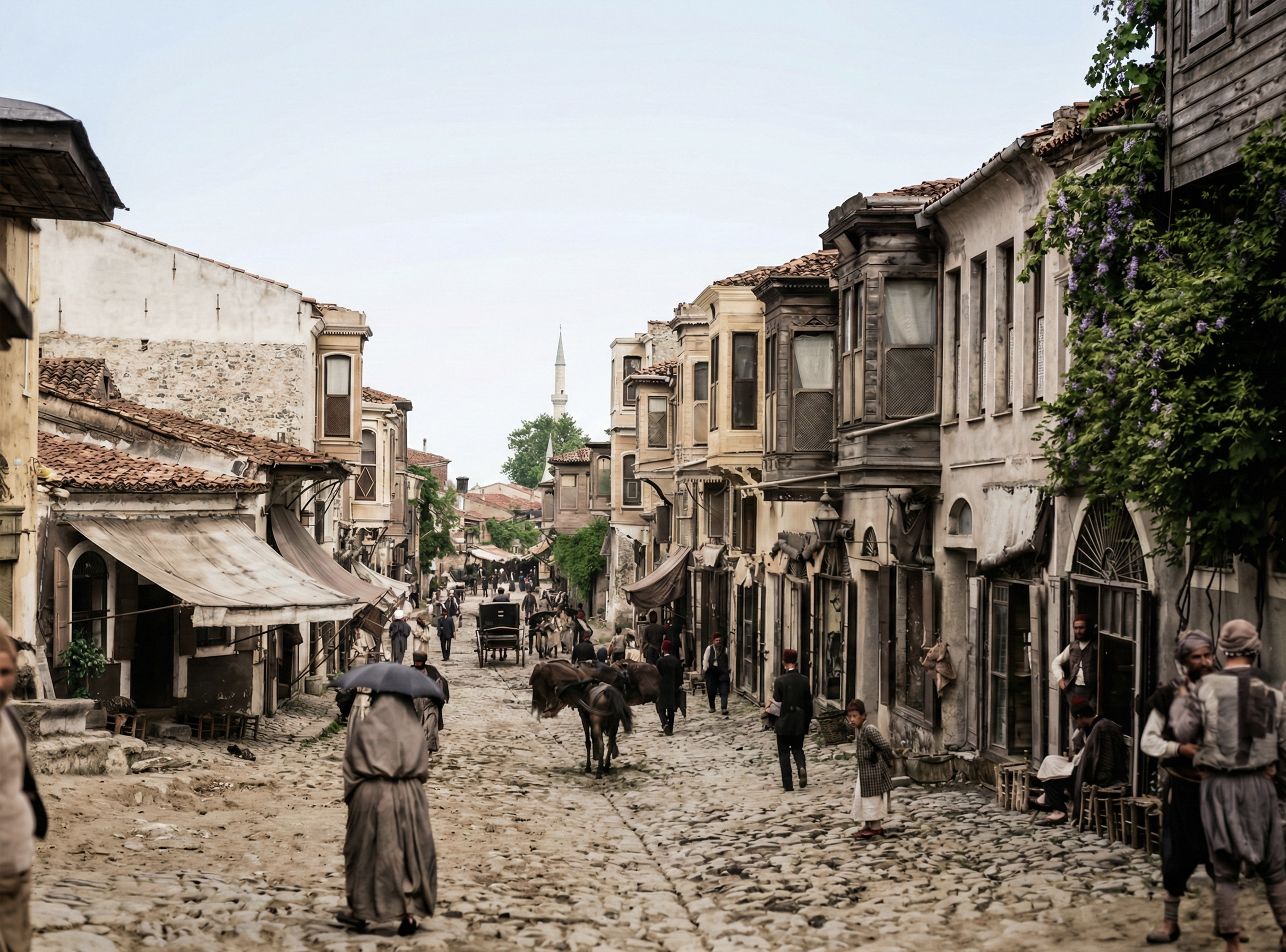
 AI-restored, colorized
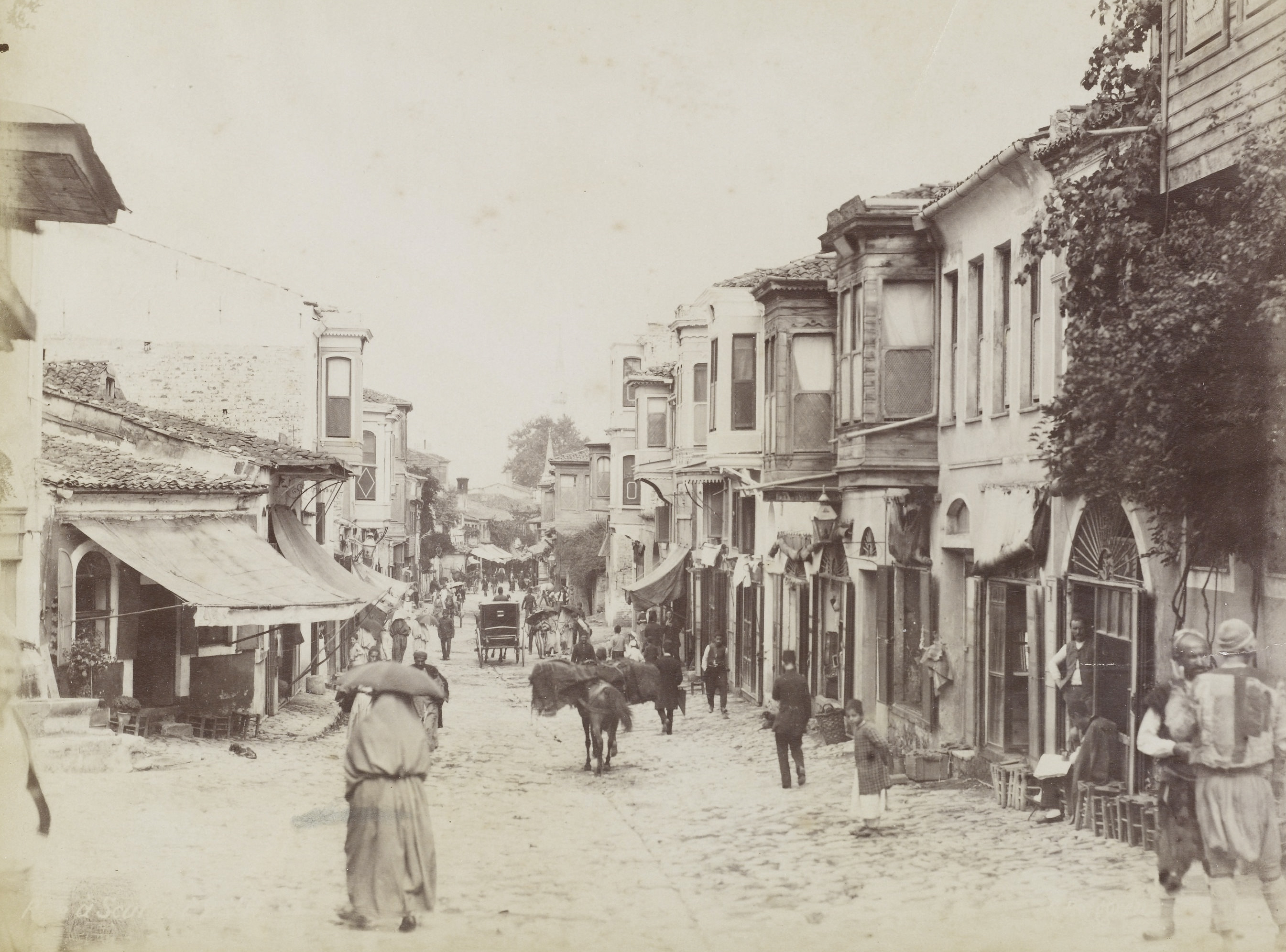
1870 archive scan
AI-restored, colorized
1870 archive scan
A 19th-century Istanbul street photograph — restored and colorized frame by frame from Guillaume Berggren's 1870 original.
The recap above shows the mosaic's face reconstructed — but the costume itself, the fabric, drape, and dye that clothe that face, has its own dedicated breakdown, step by step.
See the costume reconstruction case study ↗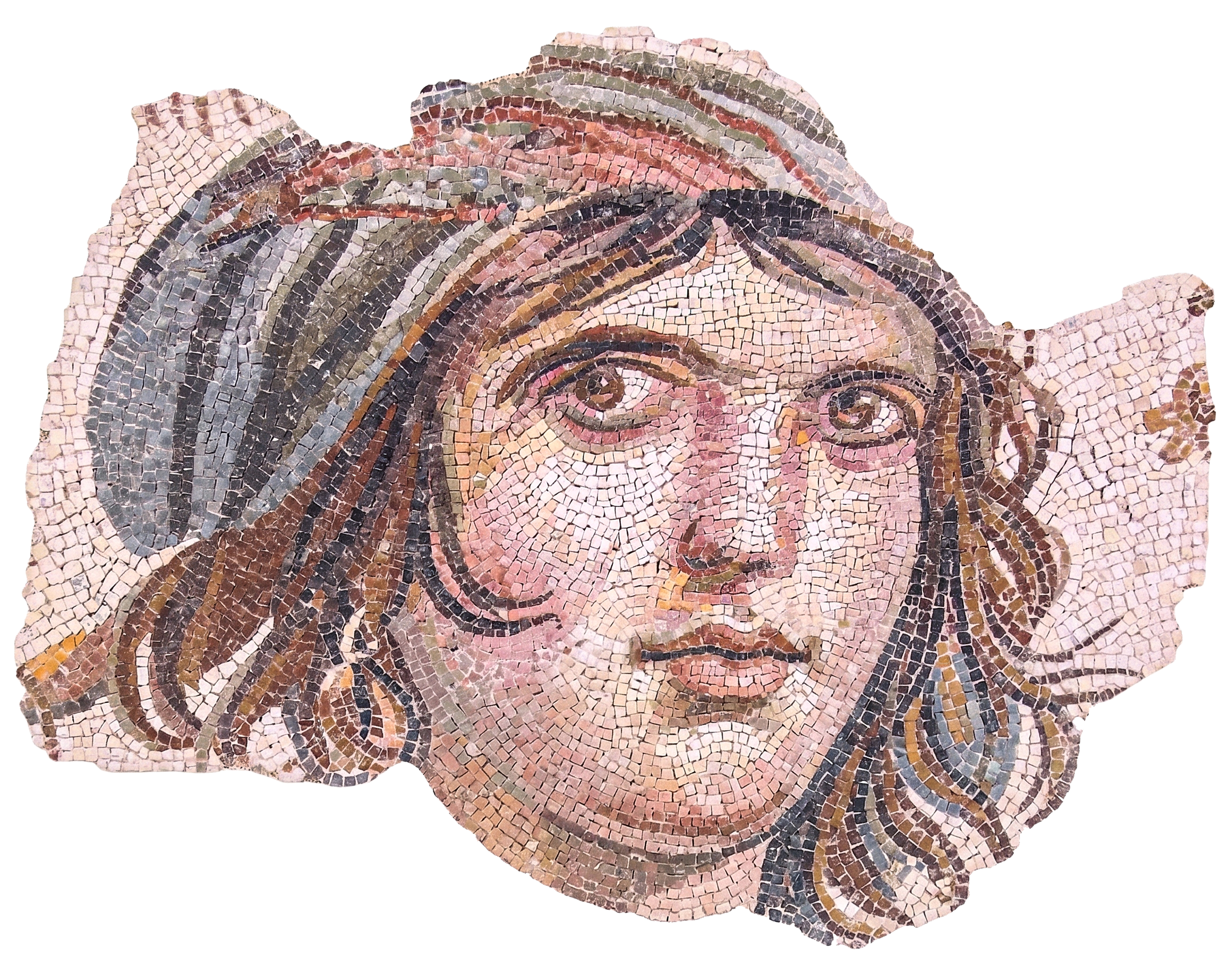
 AI-completed mosaic
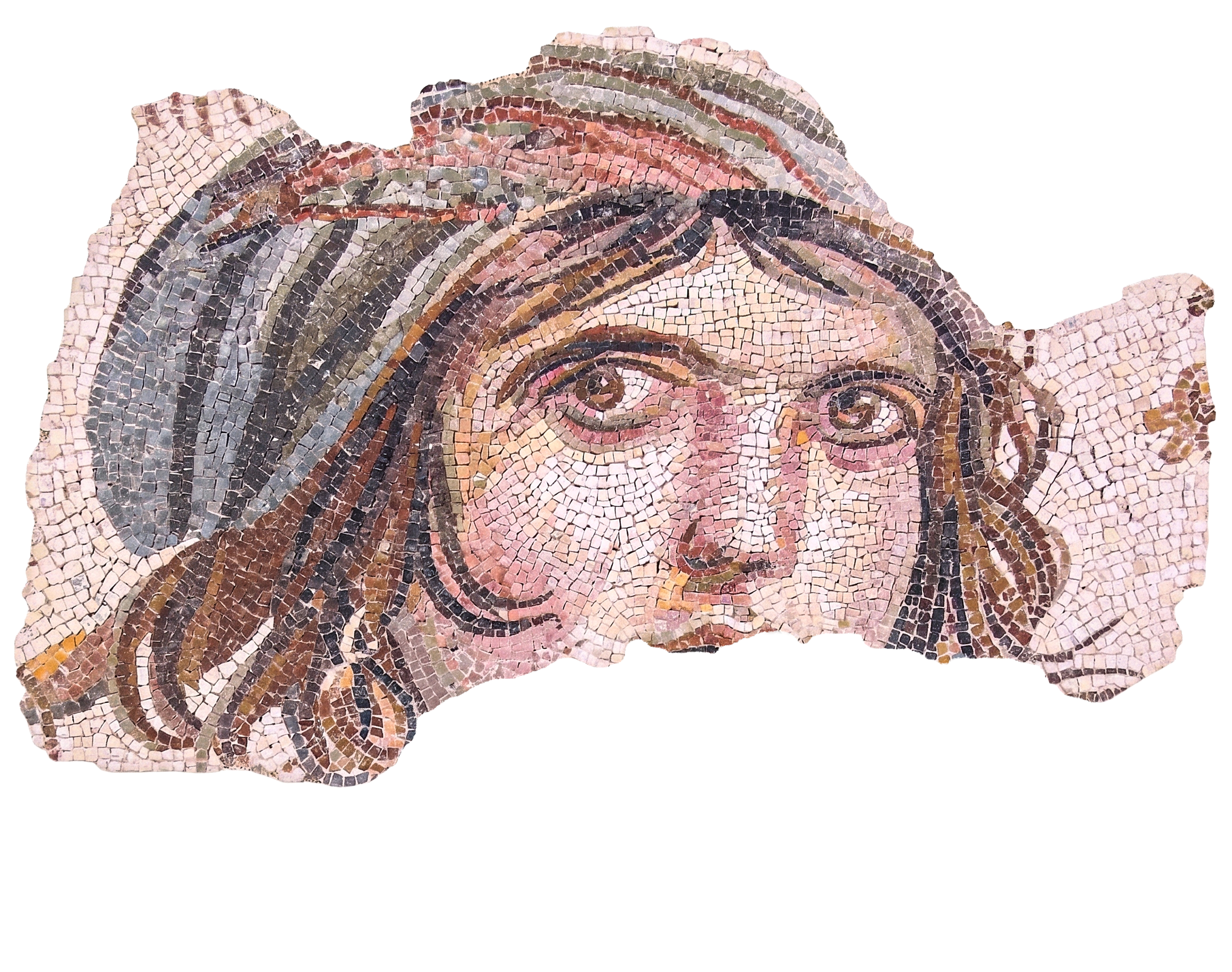
Excavated fragment
AI-completed mosaic
Excavated fragment
The mosaic survives only from the eyes up — the lower face reconstructed digitally, tessera by tessera, in the original's style.
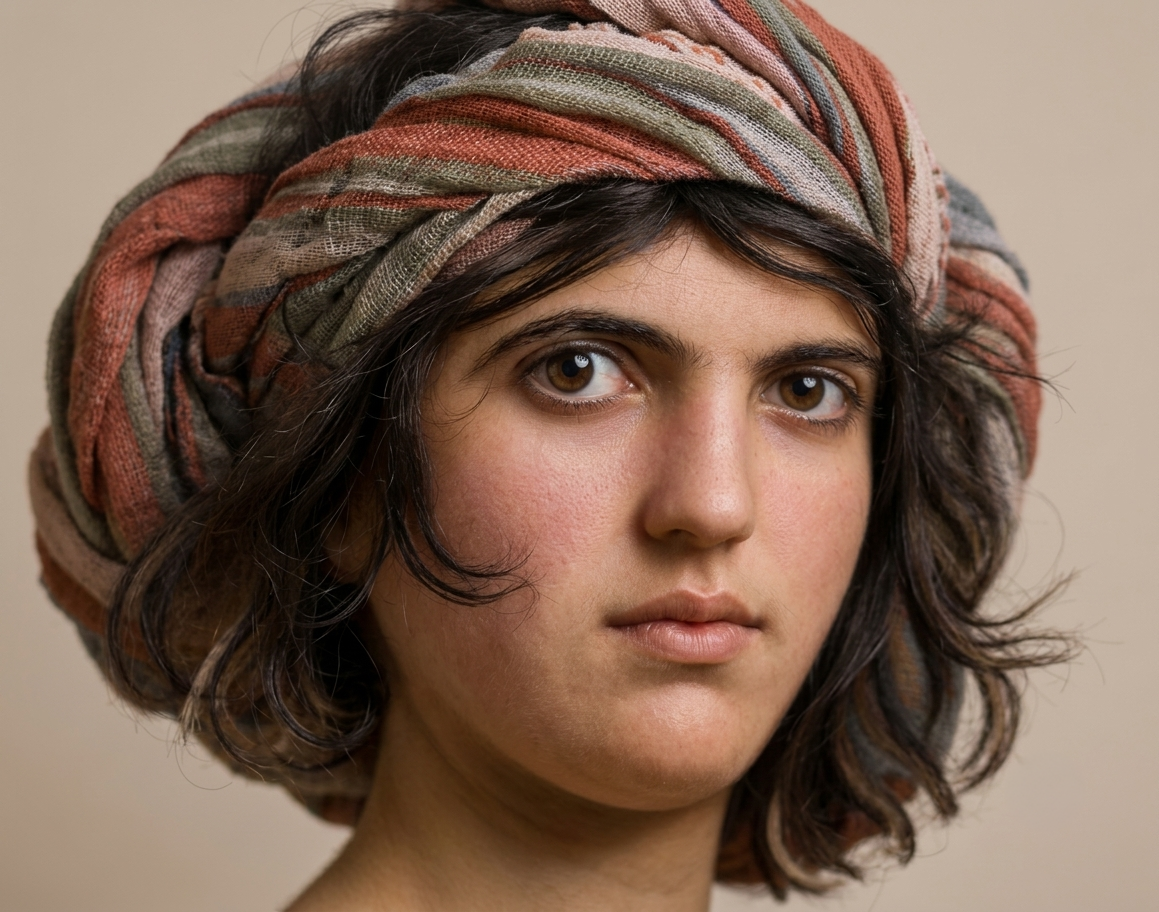
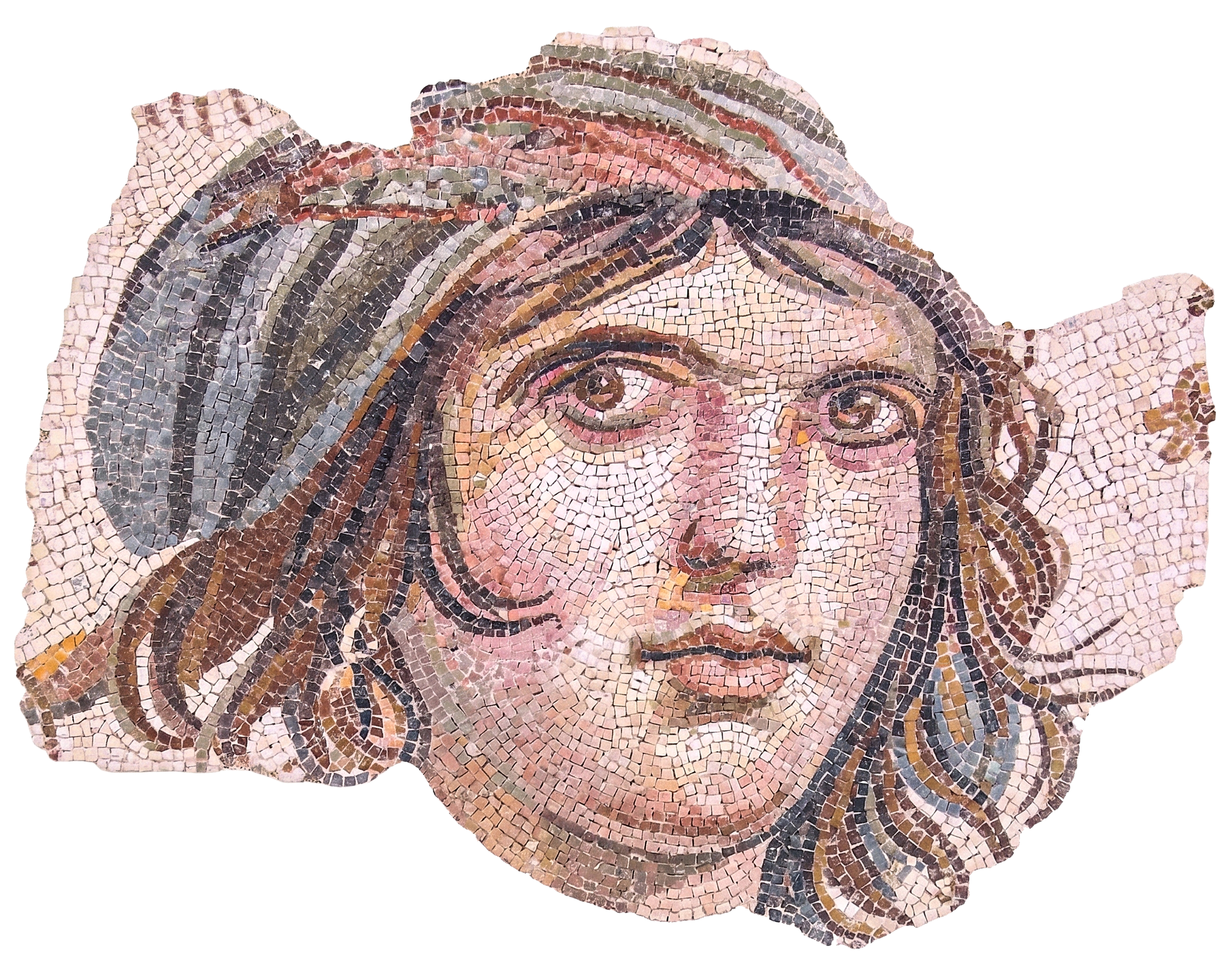 Photoreal reconstruction
Completed mosaic
Photoreal reconstruction
Completed mosaic
From reconstructed mosaic to a photoreal portrait of the person it may have depicted, nearly two thousand years later.
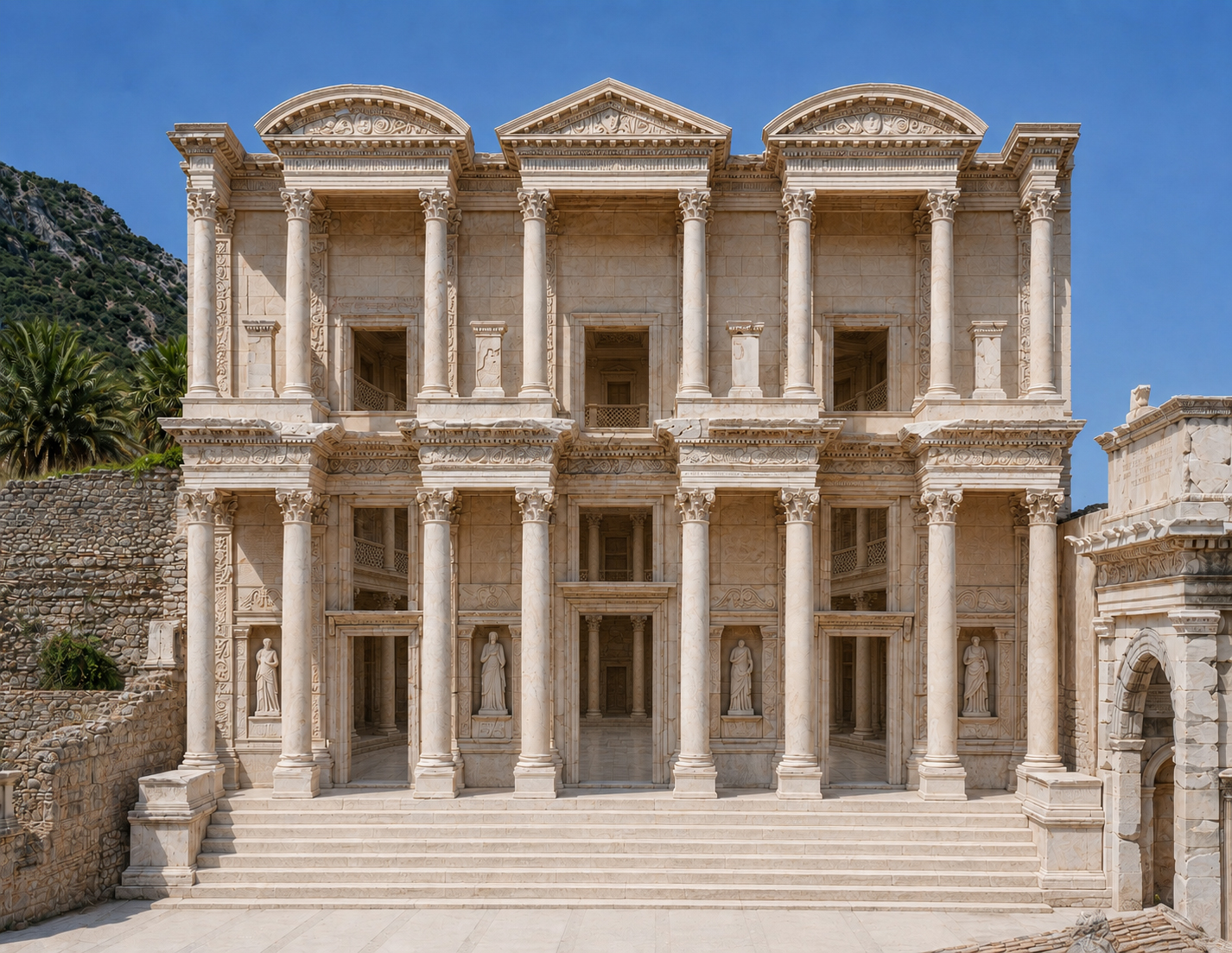
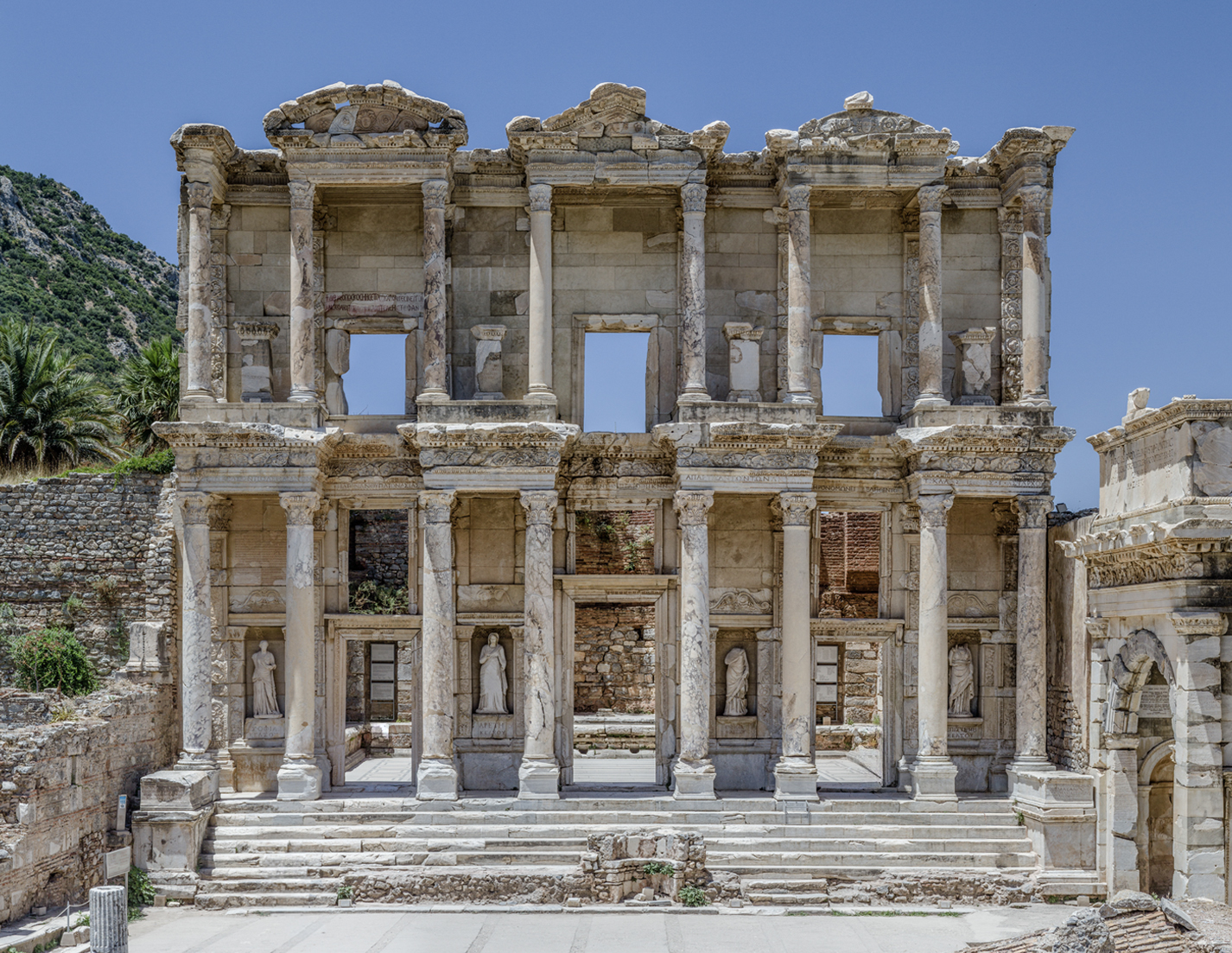 AI-reconstructed
As it stands today
AI-reconstructed
As it stands today
The Library of Celsus at Ephesus, digitally reconstructed to its original two-story façade — reconciled against the ruins that stand today.
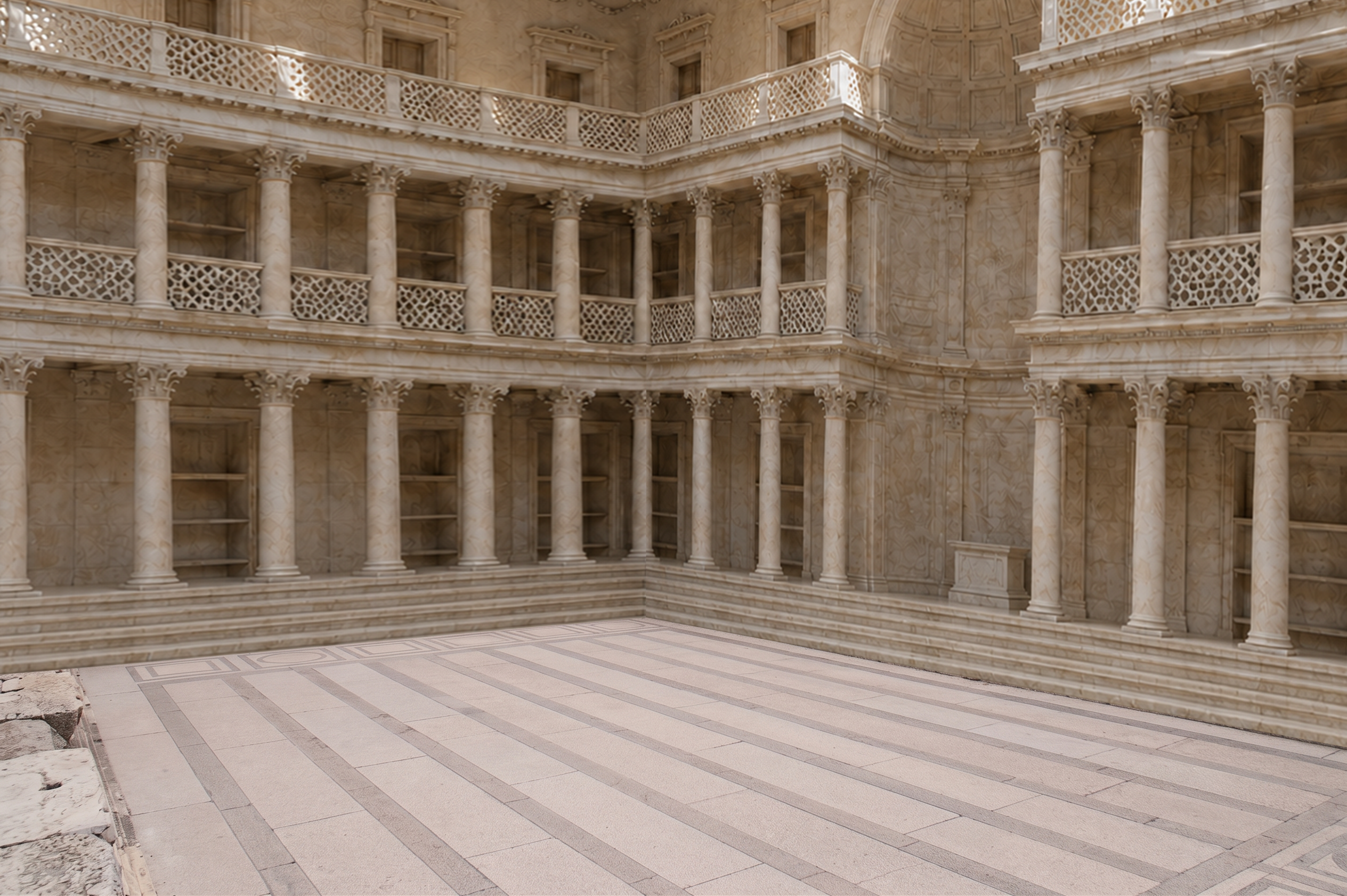
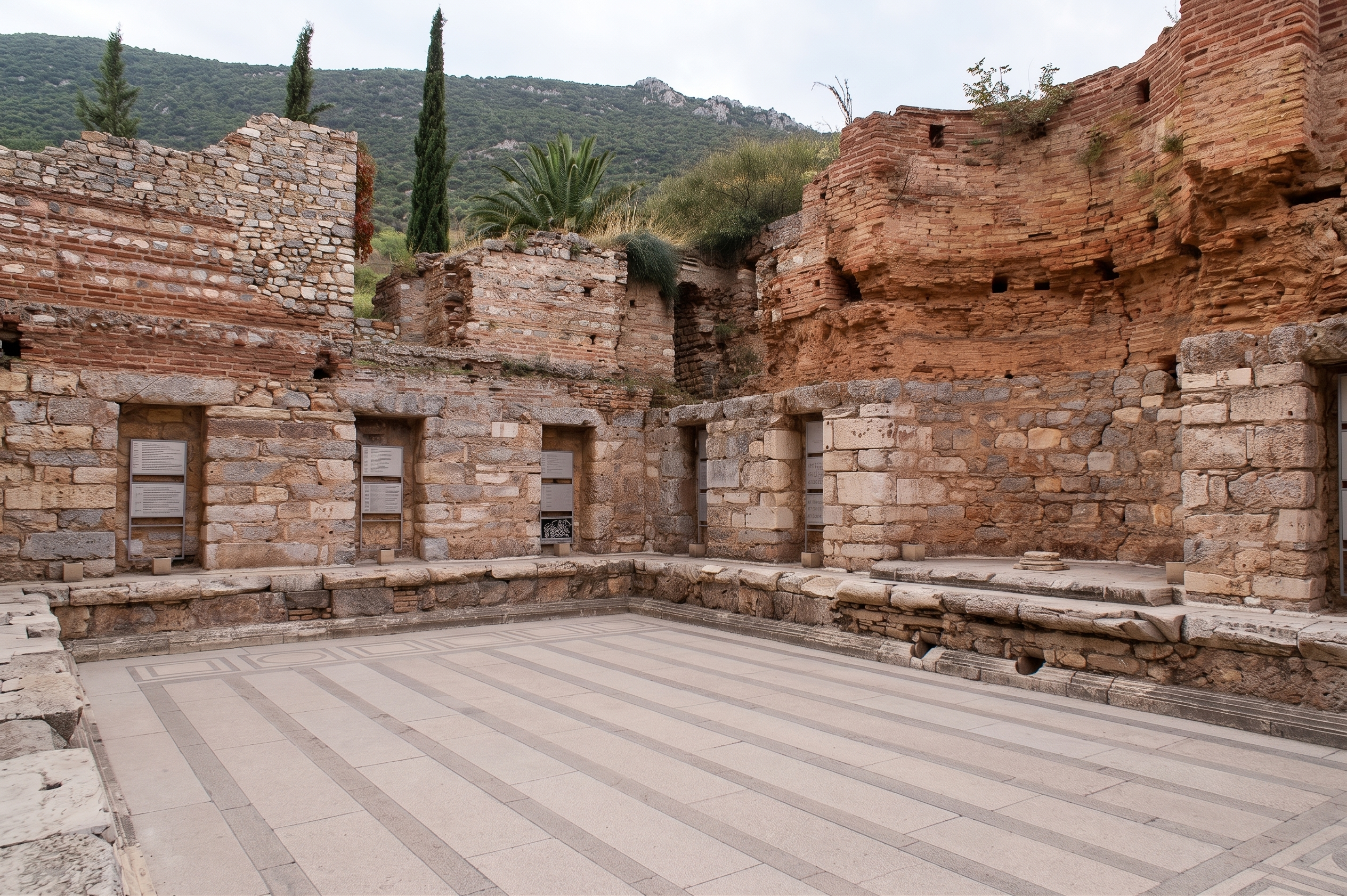 AI-reconstructed
As it stands today
AI-reconstructed
As it stands today
The same hall today — marble floor and courtyard walls as they survive, before digital reconstruction fills in what time removed.
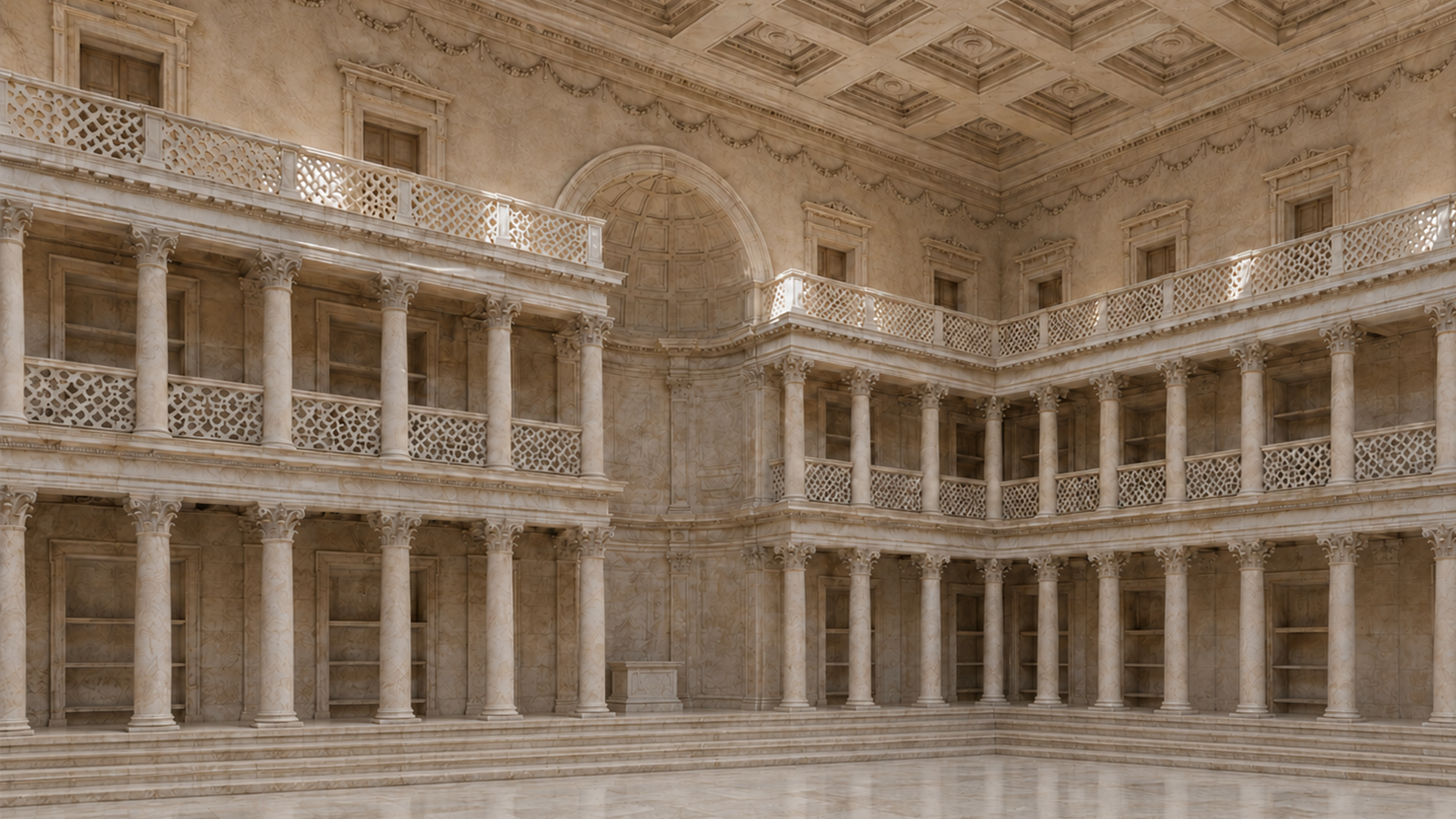
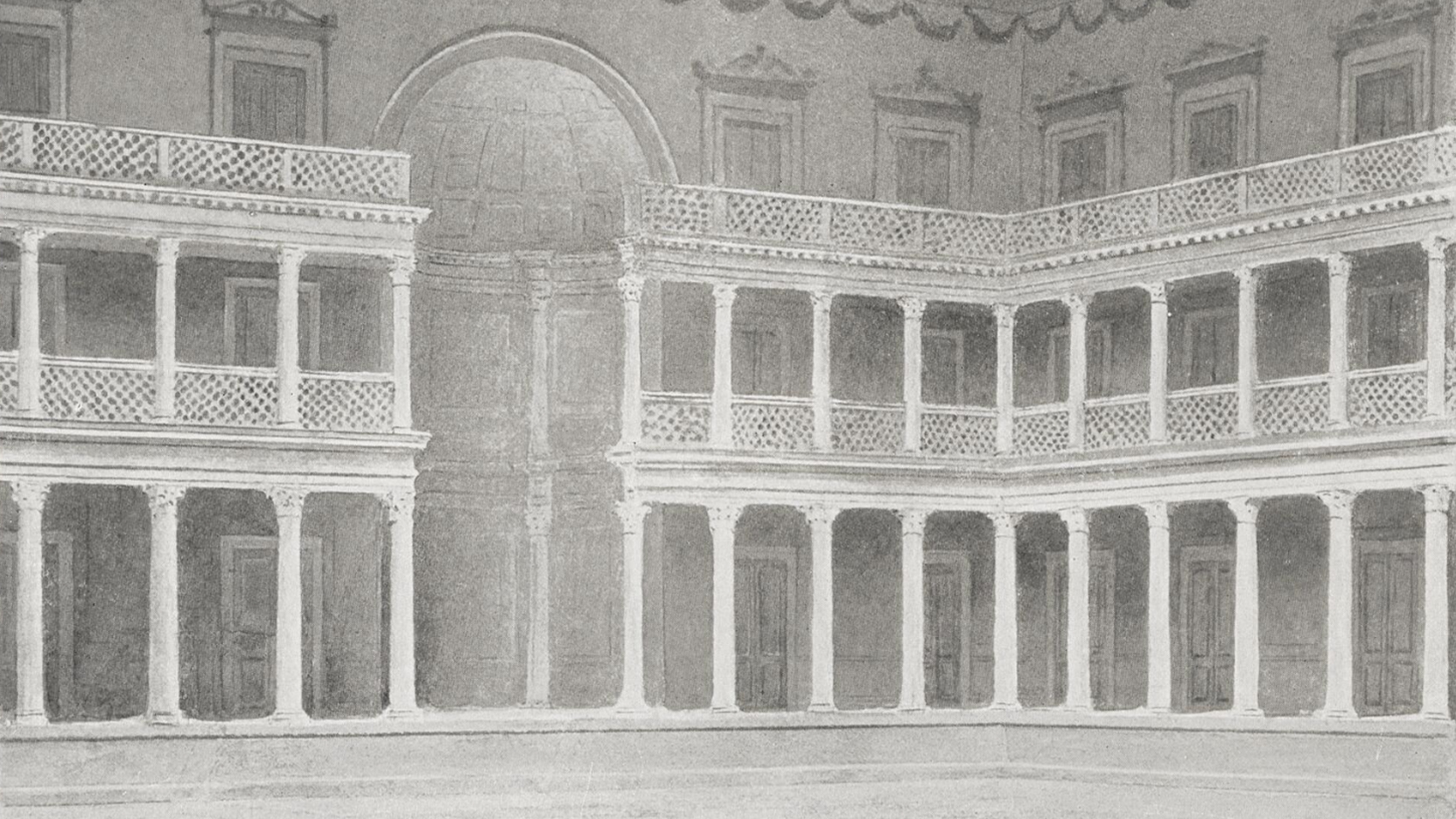 AI-reconstructed
Archaeological restoration study
AI-reconstructed
Archaeological restoration study
The library's inner hall, reconstructed in full — marble, coffered ceiling, and galleries restored from Keil's architectural survey of the site.
Source: Keil, J. (ed.); Österreichisches Archäologisches Institut. Die Bibliothek — Forschungen in Ephesos, Band 5,1 (1953). DOI ↗
This isn't the first time this library has been rebuilt here. In 2001, as a computer engineering senior, our founder hand-modeled the Celsus Library in 3D — the same façade, the same courtyard, researched on-site with an Ephesus archaeologist guide. Twenty-five years later, the same building, rebuilt again — this time with AI.
Cultural-heritage research beyond the pipeline: writing selected by Europeana's Editorial Grants Programme, and peer-reviewed comparative folklore scholarship.
One system, custom pipelines. Restoration and reconstruction work runs on a custom AI production pipeline, built from the same engineered system behind our films — useful for museums, archives, and institutions working to bring damaged or incomplete material back into view.